
How Fake Reviews Can Ruin Your Brand’s Reputation
Reviews are a very imaginative and reliable source an individual considers before using a product or service. There are many online platforms; the most commonly seen review is Google Reviews, which often pops up whenever you search about a place or commercial store. Therefore, the question arises on the authenticity of these reviews, there is a very good possibility that these reviews could be fake or framed according to the organization’s reputation. So the reality of the internet reviews could be manipulated easily by external agencies that usually hire people for writing reviews and pay them, in terms of the number of reviews they post daily. There could be a percentage of 85 % that the review you are reading right now and is looking pretty reliable could be falsely well structured so that you can fall into the trap of trusting a particular company/service.
Focusing on this severe problem, this blog is written keeping in mind how to Identify Fake Reviews and How Fake Reviews Can Ruin Your Brand’s Reputation.
How to Identify a Fake Review
Check the Language & Tone
The use of extreme praise or criticism, together with positive or negative language, serves as a warning signal in the context of reviews.
Readers should notice that, indeed, the product works superbly; furthermore, the sentence contains excessive exclamation marks. Additionally, the reviewer's statement of "Best purchase ever!!!" suggests, therefore, a fake review.
Look for Repetition & Similarities
Reviews written with identical statements and structured similarly to others might originate from artificial sources.
Repetitions of identical words between different products indicate possible copy-and-paste actions.
Examine the Reviewer’s Profile
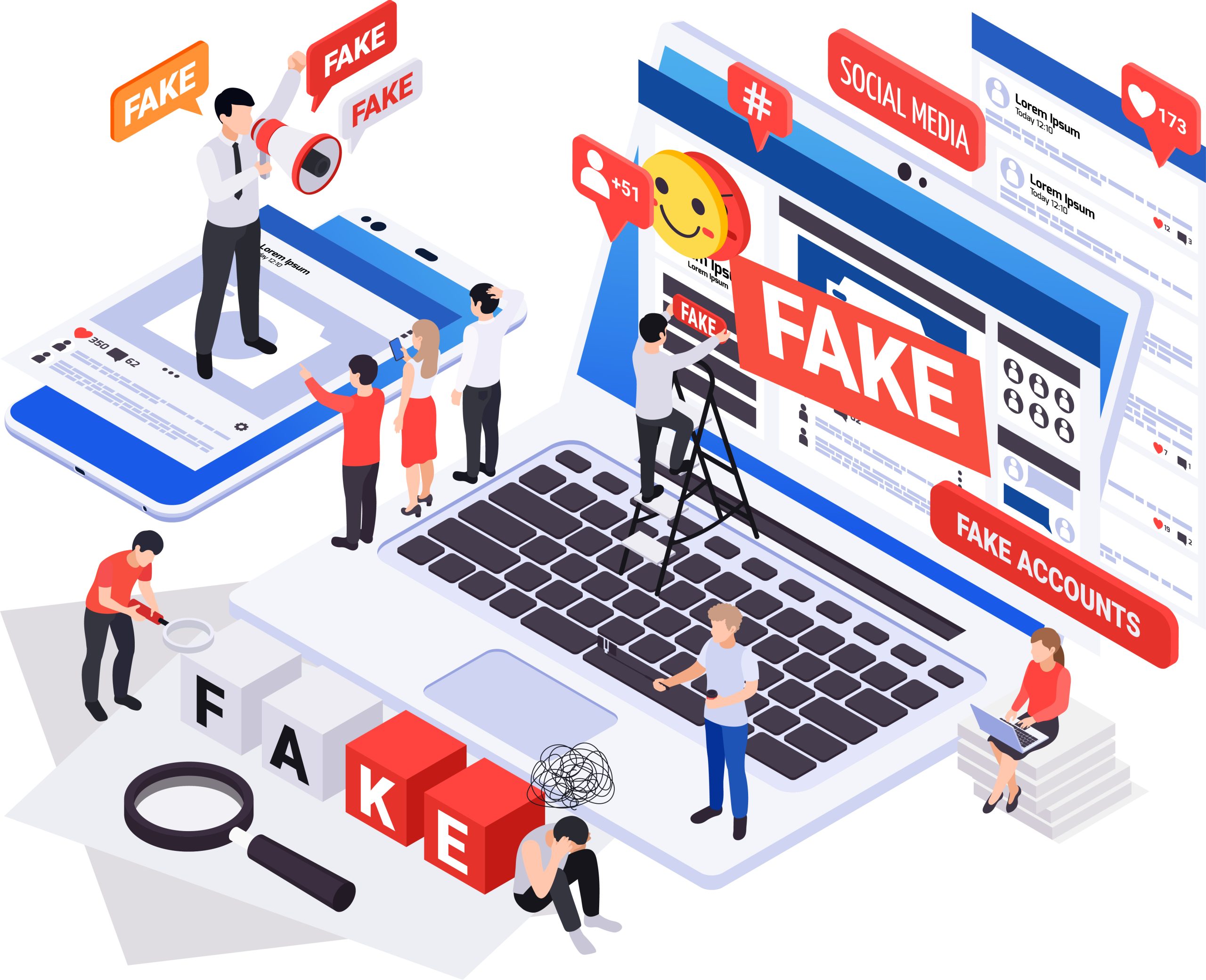
Fake accounts tend to hide behind missing profile pictures while using obvious or non-existent usernames and having a small number of reviews.
The reviewer's reliability will be questionable when they post only one review or many posts during a short timeframe.
Check the Review Date Pattern
Quickly distributed positive or negative reviews, therefore, can point to the presence of paid or fake reviews within the marketplace.
The product review pattern for organic items should display balanced reviews throughout the timeframe.
Watch for Unverified Purchases
The platform indicates reviews as "verified purchase" when evidence proves the reviewer made the actual purchase.
Unverified reviews that exist in excessive numbers can signal manipulative actions.
Compare Reviews Across Different Sites
A product with overwhelmingly positive reviews on one site but mixed or negative reviews elsewhere might be suspicious.
Use Fake Review Detection Tools
Two online tools, Fakespot and ReviewMeta, evaluate review content to detect possible indications of dishonest practices.
What ways can be used to fabricate an Online Review?

Organizations, together with individuals, establish several phony accounts to distribute artificial evaluation content.
The operation of automated bots depends on mass production of artificial reviews with content generated through Artificial Intelligence algorithms.

Companies reward people to compose either favorable or damaging assessments that target their industry competition.
The exchange of five-star reviews for money or free products with discount offers exists in some business practices.

A mutual advantage system between businesses allows them to provide positive reviews for their teammates.
Social media forums create separate groups that assist their members in rating improvements.

Companies alter old or unconnected reviews to present them as quality matches for new products.
Amazon sellers sometimes connect their product listings with those of high performers to obtain favorable reviews.

A large number of synthetic positive or negative reviews appear suddenly to distort public understanding about products.
Reviewers utilize this method to enhance their products or damage their business competitors.

Staff working for the company leave false customer reviews on company products.
Certain organizations expect workers to decrease negative reviews while giving elevation to positive reviews.

Artificial intelligence programs can presently produce reviews that resemble human speech, thereby complicating the identification of synthetic reviews.
Many content seems vague or displays generic promotional material without concrete details.

Negative reviews often disappear, and positive reviews move toward the top positions within certain website review sections.
The maintenance of high ratings through business practice requires the deletion or reporting of negative customer reviews.

Fake reviewers duplicate review texts from one product to others they review or between various platforms.
Reviews should not be duplicated between different product listings because this indicates potential fraud.
What to look for when you are falling into the Negative Reviews
The source and background of negative reviews become important for effective management and response when dealing with them. Several types of customers provide negative reviews for different reasons, as follows:
Unhappy Customers
- Poor product or service experience.
- Delayed shipping or unfulfilled expectations.
- Bad customer support interaction.
- Defective or low-quality product.
- Misleading advertisements or pricing issues.
Competitors
- Certain unethical businesses deploy artificial reviews as an operation to damage the opposition’s reputation.
- Affiliates employed by other companies use their staff members and automated bots to release negative reviews that damage your online ratings.
- Negative reviews may form part of a targeted attack that attempts to shift the customer base to their brand.
Social Media & Influencer-Driven Criticism
- When social media spreads unpopular complaints made by influencers, it intensifies the flow of negative reviews.
- Public backlash over controversial business decisions, political stances, or ethical concerns.

Disgruntled Employees (Current or Former)
- Workplace conflicts, together with unfair treatment and termination disputes, both serve as reasons for negative reviews.
- The individual wants to harm the company’s reputation as a result of personal anger.
- Poor management practices or toxic work environment.
Fake Reviewers & Trolls
- Several individuals engage in fake reviewing just for amusement or attention-seeking reasons.
- Trolling attacks against businesses seem to occur with no clear purpose.
- Sometimes, customers will review the wrong business and provide poor feedback by mistake.
Customers Who Had Faced Bad Experiences Elsewhere
- The whole brand receives negative reviews when customers have a bad experience at any one branch location in which the business operates.
- Some customers express their frustrations at the wrong listing due to business name mismatch confusion.
Dissatisfied Partners, Vendors, or Suppliers
- The combination of delayed payments along with business disagreements and subpar business partnerships leads to negative reviews.
- Unfair contract agreements or any form of mistreatment experienced during business encounters.
Review Bombers That are Specially Hired
- Activists, as well as communities of like-minded individuals, maintain groups dedicated to leaving multiple damaging online reviews as a form of disapproval against a targeted company.
- Brands find themselves under attack by negative reviews when they participate in controversial issues or fall short of customer expectations on multiple occasions.
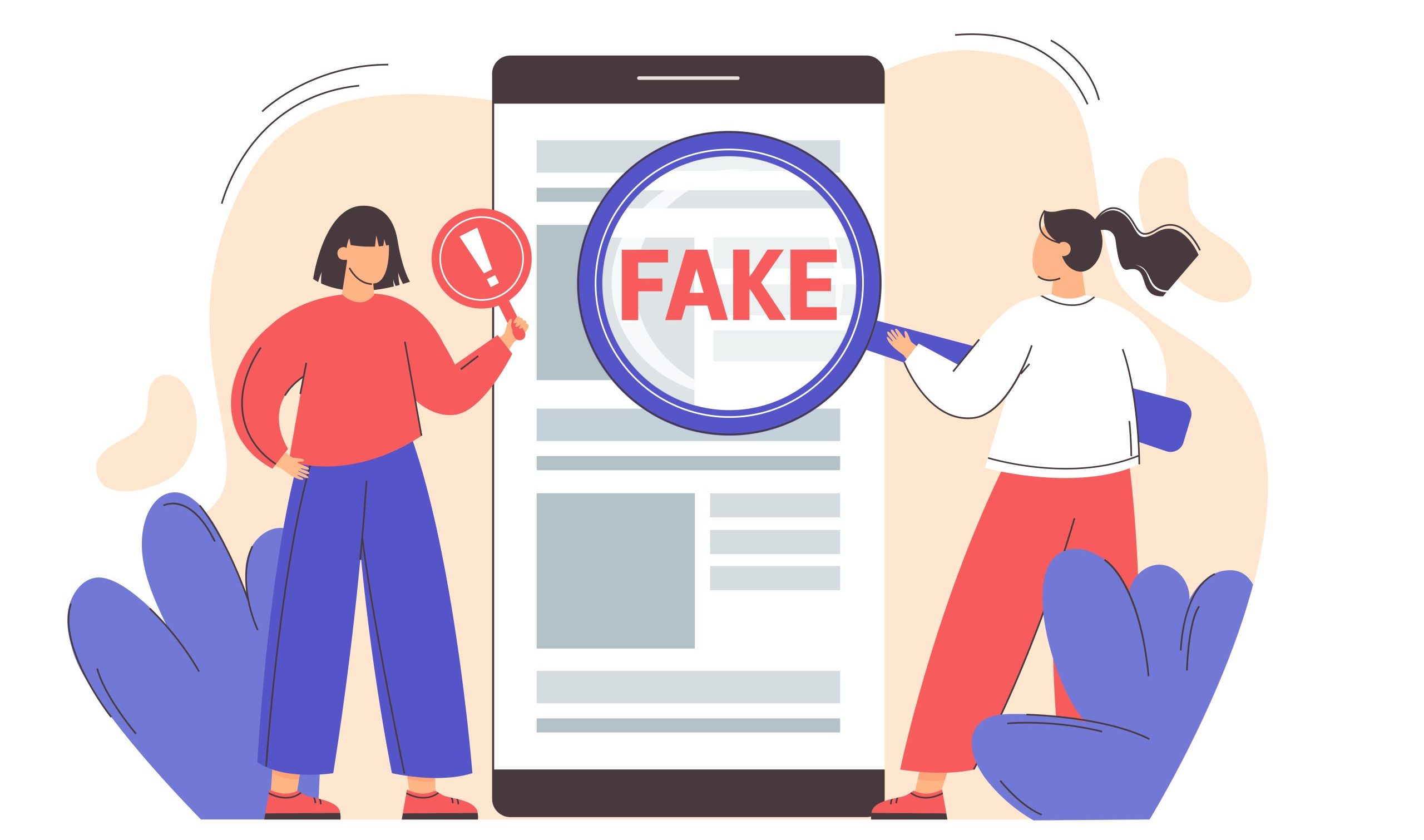
Now, let’s explore How Negative Reviews can Ruin Your Brand’s Reputation
-
Loss of Trust & Credibility
Consumer reluctance occurs when they encounter negative reviews from brands since they question product reliability and quality standards.
-
Decreased Sales & Revenue
The negative feedback affects customers' willingness to buy products, which in turn generates immediate sales reduction.
-
Lower Search Engine Rankings
Your search engine positions will decline because of negative reviews, which reduces your brand visibility.
-
Damage to Brand Image
Multiple unfavorable reviews continuously degrade customer perceptions about both service quality and the standard of products offered.
-
Increased Customer Churn
Unresolved complaints make existing customers leave to purchase products from rival companies.
-
Viral Backlash on Social Media
One negative review possesses the ability to spread quickly across social media platforms, including Twitter, Facebook, and Instagram, resulting in damage to your reputation.
-
Loss of Business Partnerships
Weak customer review performance drives suppliers, along with investors and collaborators, to avoid working with the brand.
-
Legal & Compliance Issues
Negative reviews about fraud and safety concerns alongside poor service standards can initiate both legal proceedings with businesses as well as government regulatory investigations.
-
Higher Marketing & PR Costs
Organizations must allocate additional resources to handle crises and protect their image, and keep current clients.
-
Difficulty in Attracting Talent
The negative reviews drive potential employees toward other companies, resulting in difficulties when attempting to employ skilled experts.
How to Save Your Business from Negative Reviews
Here are a few of the points that are needed to keep in mind to save your precious business from the Trap of Negative Reviews
- You should act swiftly to respond to adverse reviews because it demonstrates your genuine interest in customer assessments.
- Respectful responses should replace any attempt to argue with the reviewer.
- Recognize the issue while expressing your regrets about the inconvenience resulting from it.
- Present both useful options and payment solutions that will solve the issue at hand.
- Businesses should ask their happy customers to submit positive feedback, which will offset the present negative reviews.
- Act constantly by following reviews across different review platforms.
- Reoccurring customer issues should be resolved to stop upcoming complaints.
- Make use of complaints to obtain valuable feedback that will help you enhance your products and services.
- Build an active customer base that will spread positive feedback.
- Defamatory or false reviews require both legal intervention and platform contact for elimination.