
What Is Front-End Development and Why Is It Crucial for Your Website?
Front-end development is crucial work that not only makes your website attractive but also attracts visitors. Your business meets potential customers through your website for the first time in the present digital age. A website that provides a pleasing appearance while operating at high speed plays an important role in maintaining user engagement and conversion rates. Front-end development creates the fundamental link between business and customer interaction through the website environment.
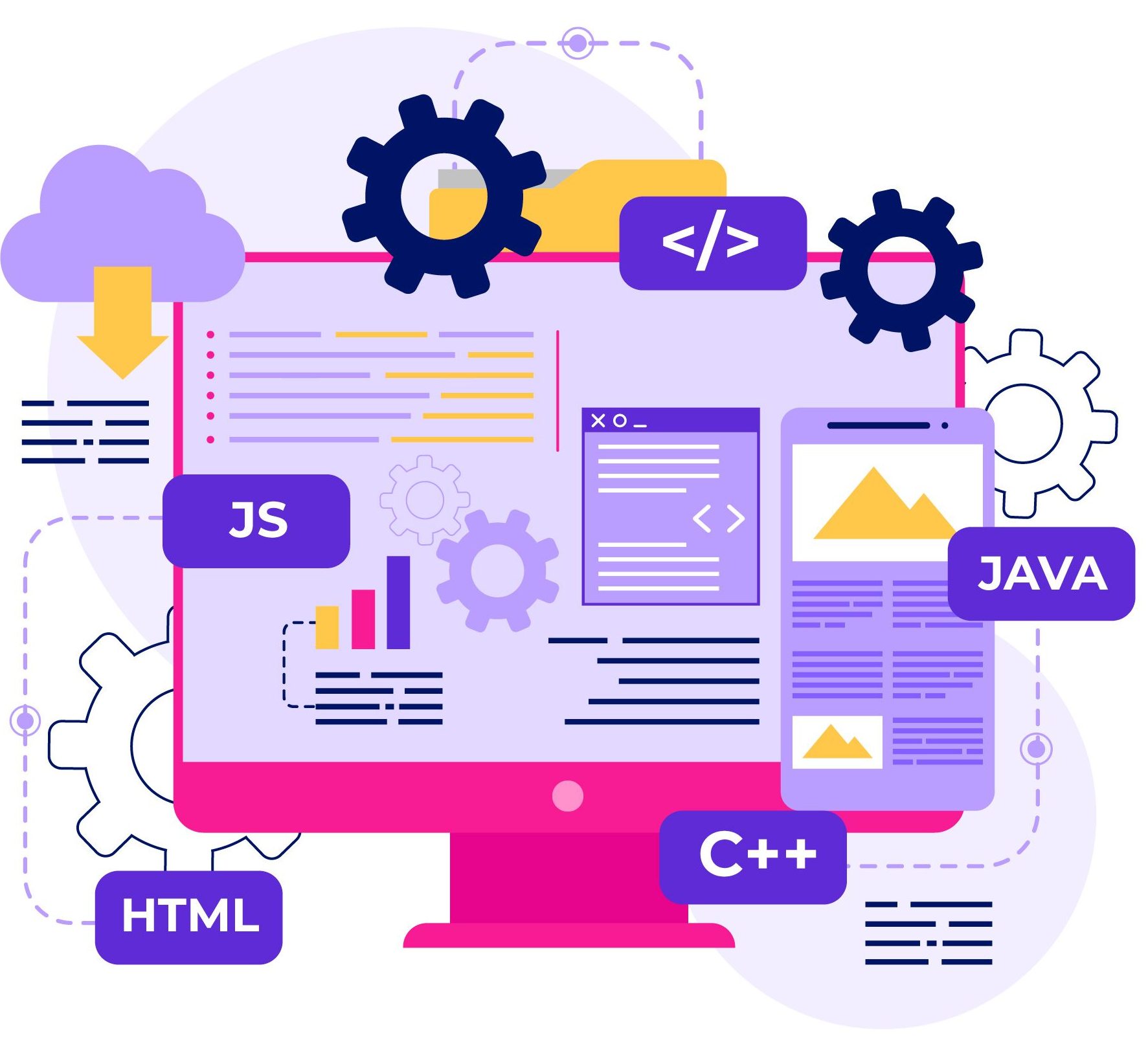
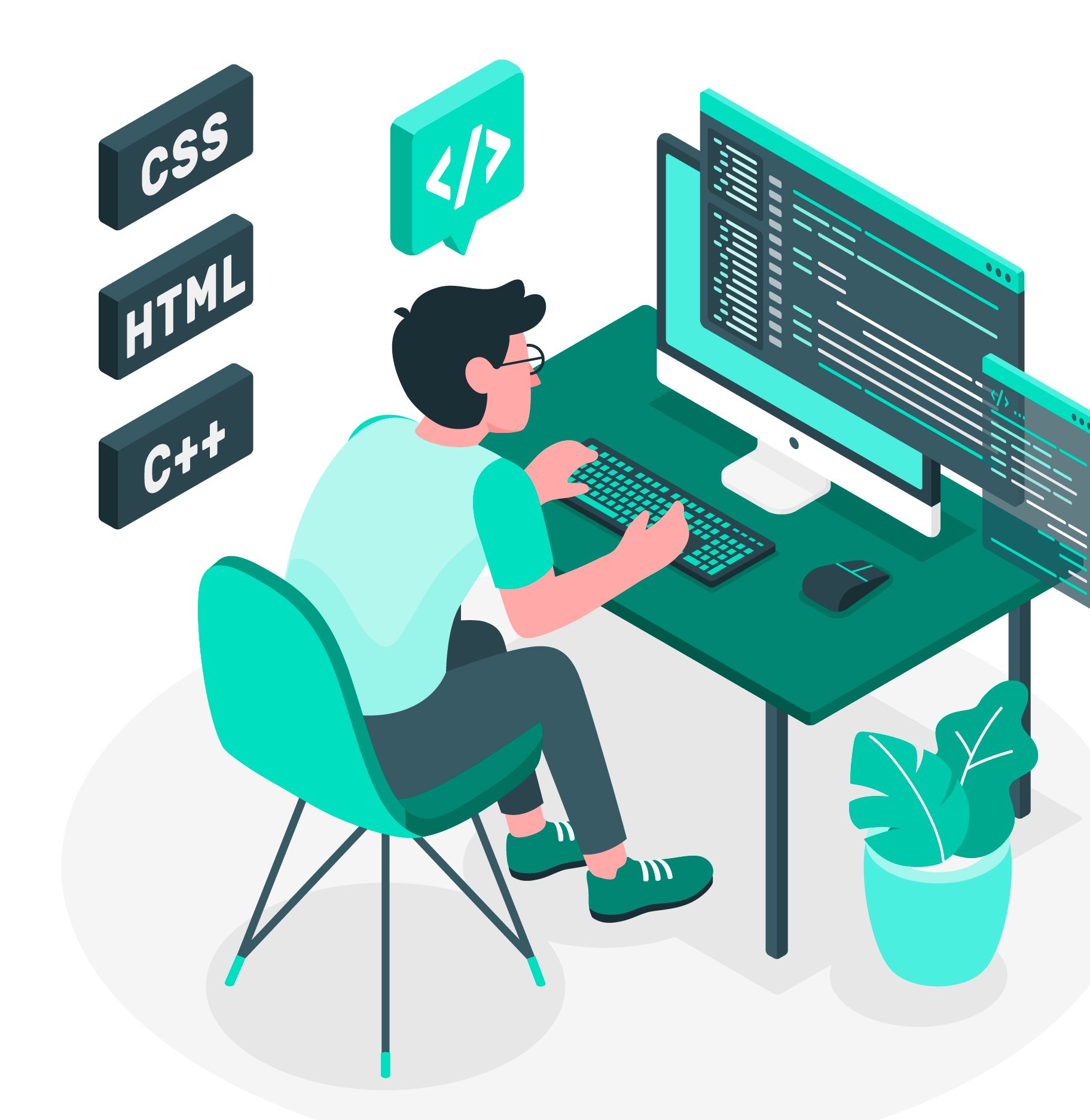
A Front-end developer maintains control of the website’s appearance through user interactions by designing the portions of the website’s user interface directly. All website elements, from spatial organization to text styles and color choices, combine with interactive elements, which include buttons and navigation menus and visual effects, and data entry fields.Development through front-end programming requires the application of multiple coding languages with frameworks alongside technologies that produce smooth user interfaces.
- HTML (HyperText Markup Language) :- Structures the content of web pages.
- CSS (Cascading Style Sheets) :- CSS determines how visual elements and their styles appear in the interface.
- JavaScript :- The addition of dynamic functionality and interactivity, together with animation, makes a website vibrant and responsive.
- Front-End Frameworks and Libraries :- Technologies like React.js, Angular, Vue.js, Bootstrap, and jQuery enhance development speed and improve user experiences.
What Does Working with Front-End Development Look Like?
Website Structure & Layout
HTML serves as a front-end developer's tool to create page structures that properly arrange content elements alongside headings, visual assets, and multimedia assets.
Styling and Visual Appeal
Through CSS, developers set website content styles which determine colors and fonts, and spacing as well as responsive layout designs for optimal usability across various screen sizes.
Interactivity & Dynamic Features
JavaScript allows developers to embed dropdown menus with sliders and modals, and animations, which improve user engagement.
Mobile Responsiveness
Distinct device adaptability constitutes an essential requirement for front-end developers to deliver their work. Competent front-end developers utilize CSS media queries with flexbox/grid systems to develop websites that function smoothly on mobile platforms.
Cross-Browser Compatibility
Website developers must ensure complete functionality across Chrome, Firefox, Safari and Edge as well as other browsers. The web application compatibility tests occur by means of platforms including BrowserStack and CrossBrowserTesting.
Accessibility (A11Y) Compliance
The quality of front-end development enables disabled users, along with all others, to browse websites effectively. Users will benefit from accessible web design through alt-text image description while also accessing site content via keyboards in combination with WCAG standards.
Collaboration with Back-End Developers
Front-end developers must collaborate with back-end developers to combine APIs with databases and server-side components, which establishes proper communication between client-side and server-side components.
How does effective front-end development contribute to creating an outstanding website?

A well-optimized front end leads to higher conversions by:
- CTA elements must be strategically positioned to lead customers to take action.
- Interactive forms and user-enhancing elements help users to interact with the website effectively.
- Quick page load performance along with efficient prevention of early-user departures.

- A clear layout with well-structured menus and navigation.
- Easy access to important content without unnecessary clicks.
- Users stay on the site longer because front-end development provides an enjoyable, seamless experience.

- Modular development with reusable components (React, Vue, etc.).
- The system enables simple addition of new features while maintaining the current operations’ functionality.
- Your application becomes more maintainable since future updates require reduced time and budget expenditure.

- HTML elements created by developers need to follow semantic best practices that allow search engine algorithms to better understand.
- The speed of web pages represents a crucial component that affects Google search engine rankings.
- Better indexing occurs through the implementation of structured data (Schema Markup).

An inclusive website connects with more audiences who have disabilities among other user groups. Front-end developers ensure accessibility by:
- Images incorporated in the website should include alt-text descriptions that work with screen reader software.
- The website’s color selection should combine high contrast for enhanced readability purposes.
- The implementation of keyboard navigability functions for users who cannot operate with a mouse system.
WCAG (Web Content Accessibility Guidelines) enables users to have both compliance and accessibility benefits.

- Your branding needs to present consistent visual elements, including font choices together with color schemes, along with design components.
- High-quality visuals along with proper layouts function as trust builders for users.
- Interactive website features, including moving animations and smooth transitions, serve to improve website engagement.

- The website shows proper formatting on any browser program users choose to access it.
- Every user can experience the smooth operation of functions along with interactive components across all platforms.
- Users experience no errors or layout mistakes due to the varied ways browsers display content.

The functional role of front-end coding extends security measures through the prevention of back-end vulnerabilities as well as other vital aspects.
- Easy prevention of XSS (Cross-Site Scripting) attacks depends on implementing appropriate data validation techniques.
- The implementation of secure third-party library functions as a vulnerability avoidance measure.
- A content security policy system protects user data when it is implemented.
Front-end protection enables users to trust the system while ensuring data security.

- Website performance improves from compressing both CSS and JavaScript files jointly with the size reduction of HTML files.
- Image visibility should follow a lazy loading principle, which allows them to load automatically when users interact with the page.
- Fast repeat visits become possible due to the implementation of appropriate caching methods.
A scalable front-end system promotes organization expansion and future adaptability.
Web development needs front-end development as a basic element that shapes interface quality while determining site functioning alongside search engine optimization achievement. Companies that invest in outstanding front-end development solutions achieve websites that simultaneously deliver an engaging presentation and responsive performance, and a user-friendly interface for better results.
Do you need frontline website development solutions for your business website? Schedule a prompt contact to access specialized front-end development services that boost your digital performance and corporate